
Getting there
How to get to Mount Fuji from Tokyo
Tokyo to Mount Fuji: the direct train from Shinjuku, the express bus, a rental car (ETC tolls, license), day tours, and getting to Hakone and Fujinomiya.
On this page
- Train, bus or car: which one should you take?
- By train from Shinjuku: the Fuji Excursion
- By express bus from Shinjuku
- Getting to the 5th Station to climb
- Hakone: Romancecar or bus
- Fujinomiya: Shinkansen or bus
- Driving a rental car: expressways, tolls and license
- Mount Fuji day tours by bus
- Mistakes to avoid
The easiest way from Tokyo to Mount Fuji is the Fuji Excursion direct train from Shinjuku: about 2 hours to Lake Kawaguchi, with a stop for the Chureito Pagoda. The express bus covers the same route for a little less. For Hakone you take the Romancecar, and for Fujinomiya the Shinkansen or a bus. A rental car lets you move between areas, but you need a translated license and you’ll pay tolls.
At a glance
- Direct train
- about 2 hoursShinjuku → Lake Kawaguchi
- Express bus
- about 1 hr 45 minShinjuku → Lake Kawaguchi, reservation required
- By car
- about 1 hr 10 minChuo Expressway with no traffic
- How I went
- by carChuo on the way out, Tomei on the way back
Train, bus or car: which one should you take?
It depends on where you’re going and how many days you have. The train and the bus are enough for Lake Kawaguchi and Fujiyoshida, but you need a car to cover more than one area in the same day.
| Going to | Easiest option | Time | The catch |
|---|---|---|---|
| Lake Kawaguchi, Fujiyoshida | Fuji Excursion direct train | about 2 hr | four round trips a day |
| Lake Kawaguchi | express bus from Shinjuku | about 1 hr 45 min | traffic on the way back |
| 5th Station | direct bus from Shinjuku | about 2 hr 30 min | summer only |
| Hakone | Odakyu Romancecar | about 1 hr 20 min | Mount Fuji rarely shows |
| Fujinomiya | bus, or Shinkansen and train | about 2 hr 30 min by bus | two changes by train |
| Several areas | rental car | about 1 hr 10 min to the lake | translated license, tolls, traffic |
By train from Shinjuku: the Fuji Excursion
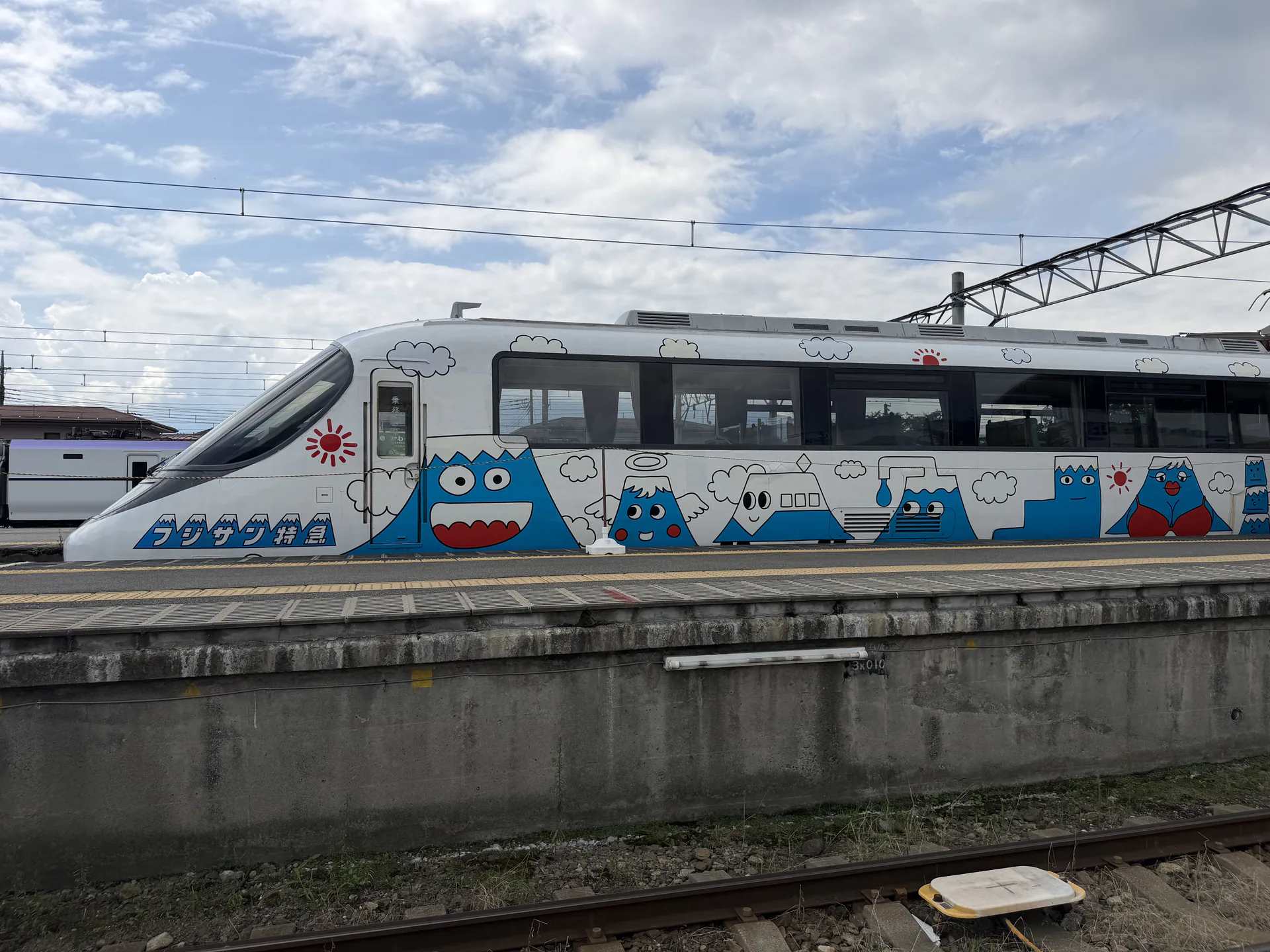
The Fuji Excursion runs from Shinjuku Station to Kawaguchiko with no change: ¥4,200, about 2 hours, four round trips a day. It stops at Shimoyoshida, the station for the Chureito Pagoda, after about 1 hour 45 minutes, for ¥4,010 including the limited express fee, four round trips a day, plus one in some seasons.
When it’s sold out, you can take the JR Kaiji limited express to Otsuki instead: about 1 hour, reserved seats only. There you switch to the Fujikyu line for Kawaguchiko: ¥1,170, and just under an hour on the Fujisan View Express (¥400 surcharge).
The Japan Rail Pass doesn't cover the Fujikyu line between Otsuki and Kawaguchiko, so you buy a separate Fujikyu ticket for the last leg, from Otsuki. The JR Tokyo Wide Pass is a different deal: ¥16,000 for three consecutive days, Fujikyu line included.
By express bus from Shinjuku
The bus to Lake Kawaguchi leaves from the Shinjuku bus terminal, Busta Shinjuku: ¥2,200, about 1 hour 45 minutes, reservation required. On paper it’s a little faster than the train, but it depends on traffic on the Chuo Expressway.
You book a seat on the Fujikyu highway bus site, where you pick your departure time and your seat. Once you’re there, the sightseeing buses around the lake leave from Kawaguchiko Station, and a pass costs ¥1,500 a day.
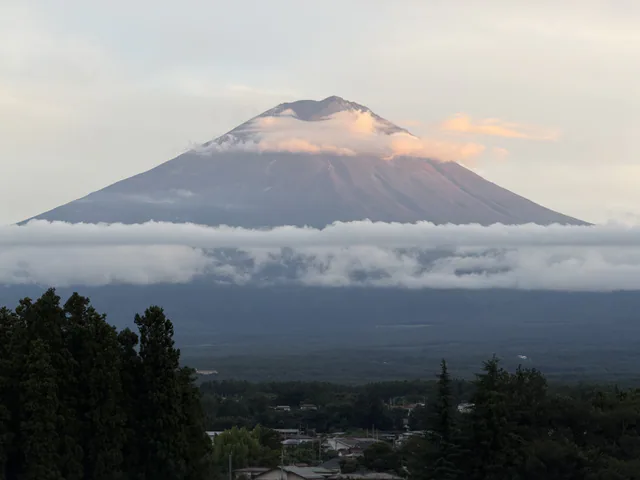 Read nextLake Kawaguchi (Kawaguchiko)Lake Kawaguchi and the town of Kawaguchiko: the Mount Tenjo ropeway, the north shore, Oishi Park, a lakeside ryokan, places to eat and how to get there by train or bus.
Getting to the 5th Station to climb
In summer a direct bus runs from Shinjuku to the Fuji Subaru Line 5th Station, where the Yoshida Trail starts: ¥4,800 one way (¥4,500 online), about 2.5 hours, summer only. You can climb without spending a night at the lake.
You can’t drive up there during the climbing season, though: the road is closed to private cars from July 3 at 6 p.m. to September 10 at 6 p.m. (2026 season). I left the car at Fujisan Parking (¥1,000 per car per entry, however long you stay) and took the shuttle, for ¥3,400 round trip per adult, about 45 minutes each way.
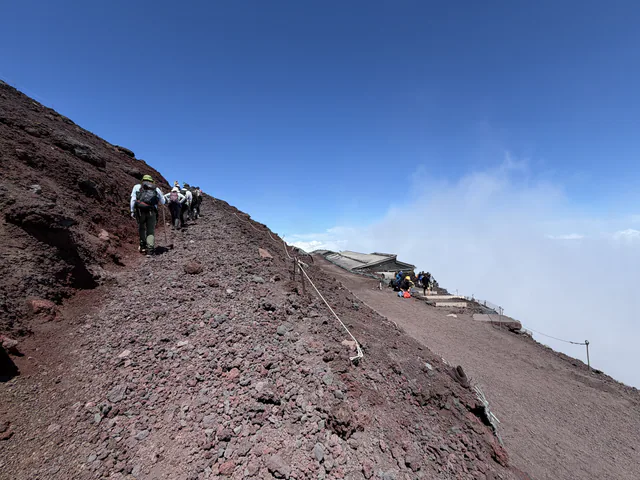 Read nextClimbing Mount FujiClimbing Mount Fuji: the four trails compared, the climbing season, the permit and the different rules in Yamanashi and Shizuoka, 5th Station access and mountain huts.
Hakone: Romancecar or bus
The Odakyu Romancecar runs from Shinjuku to Hakone-Yumoto in about 1 hour 20 minutes, and you pay a ¥1,200 surcharge on top of the base fare. From Hakone-Yumoto you go on by mountain railway, then cable car and ropeway. The Hakone Free Pass costs ¥7,100 for two days from Shinjuku.
The Odakyu express bus goes straight from Shinjuku to Sengokuhara and Lake Ashi: ¥2,560, about 2.5 hours without traffic. It doesn’t stop at Hakone-Yumoto.
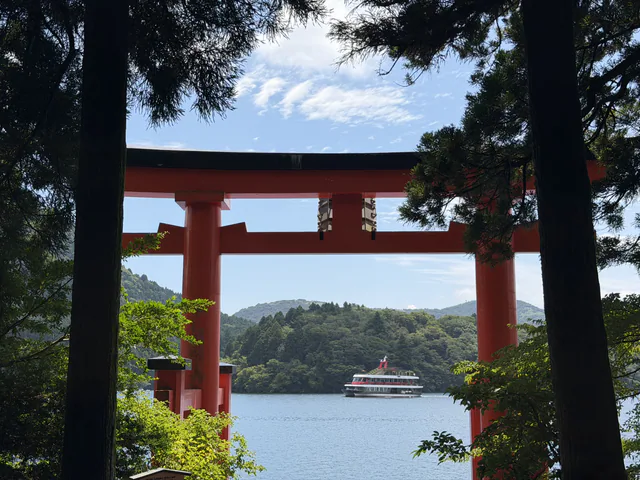 Read nextWhat to see in HakoneHakone area by area: Gora, Owakudani, Lake Ashi, Tōnosawa and the museums. Train, cable car, ropeway and boat fares, a one-day plan, and where to stay in a ryokan.
Fujinomiya: Shinkansen or bus
Fujinomiya is on the other side of the mountain, in Shizuoka Prefecture. By train you take the Tokaido Shinkansen to Shin-Fuji (only Kodama trains stop there), then a bus to Fuji Station, and then the JR Minobu line to Fujinomiya in about 20 minutes.
An express bus also leaves from the Tokyo Station bus terminal, on the Yaesu South side: from ¥2,000, about 2.5 hours. It saves you the two changes.
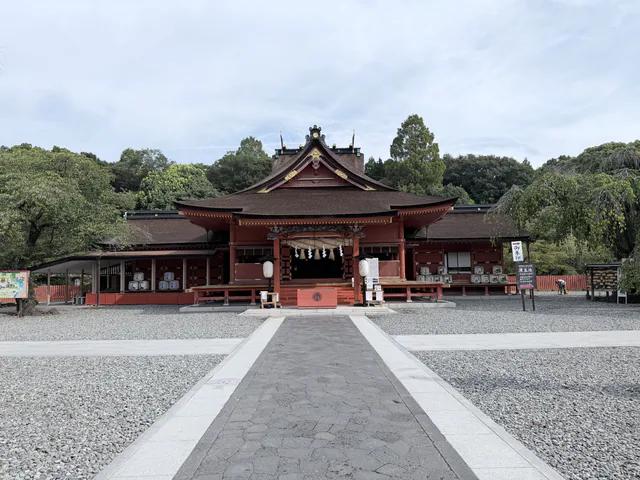 Read nextFujinomiya, on the Shizuoka sideFujinomiya, southwest of Mount Fuji: Fujisan Hongu Sengen Taisha and its spring, the World Heritage Centre, Shiraito Falls, a hotel by the station and places to eat.
Driving a rental car: expressways, tolls and license
I did the whole trip in a rental car. On the way out the Chuo Expressway takes you to Lake Kawaguchi, and the signs are also in English letters. The toll from Takaido, where the expressway leaves Tokyo, to Kawaguchiko is ¥2,640 with an ETC card, ¥3,010 without.
On the way back on the Tomei Expressway, the signs warned of traffic jams on the last stretch into Tokyo. Some entrances to the Tokyo urban expressway are ETC only, meaning cars with an electronic toll card, and they don’t take cash.
With a US or UK license, you need an International Driving Permit issued under the 1949 Geneva Convention, carried with your license. Japan doesn’t accept permits in the other formats, according to Toyota Rent a Car’s page for drivers from abroad. In the US, AAA, the auto club the State Department designates to issue the permit, delivers one that’s valid for a year. In the UK, you get it at the Post Office, which issues the 1949 permit Japan requires. Get it before you leave.
A few countries, including France and Germany, don’t use the permit: their drivers need an official Japanese translation of their license instead, which JAF, the Japan Automobile Federation, issues online.
A car doesn’t help for a single day at the lake, since the train drops you in the center. It pays off once you combine several areas, like the lake, Hakone and Fujinomiya.
Mount Fuji day tours by bus
Bus tours leave Tokyo in the morning and come back in the evening, with a guide. I didn’t take one. You don’t have to book any train or bus, but they reach Mount Fuji in the middle of the day, when it’s often hidden in summer.
This one stops at the Chureito Pagoda: a guided day trip from Tokyo on GetYourGuide.
What I found
I took the Chuo Expressway on the way out, with no traffic. Heading back to Tokyo on the Tomei, the signs showed a 13 km jam and 30 minutes to get through it, then more jams in the tunnels.
Once I was there, the car let me go from the lakes to Hakone and Fujinomiya. For the climb, I left it at the parking lot and took the shuttle.
Mistakes to avoid
- Counting on the Japan Rail Pass all the way to Lake Kawaguchi. It doesn’t cover the Fujikyu line between Otsuki and Kawaguchiko.
- Showing up without a reservation for the Fuji Excursion or the bus. The train only makes four round trips a day, and bus seats are reserved.
- Showing up at the rental counter without an International Driving Permit. A US or UK license alone isn’t enough, and the permit has to be the 1949 Geneva Convention type.
- Driving up to the 5th Station in summer. The road is closed to private cars during the climbing season.
- Driving back to Tokyo at the end of a weekend with no time to spare. On the Tomei, the signs showed a 13 km jam.
FAQ
How do you get to Mount Fuji from Tokyo?
Take the Fuji Excursion direct train from Shinjuku to Lake Kawaguchi, in about 2 hours, or the express bus from the Shinjuku bus terminal. In summer a direct bus from Tokyo also goes up to the 5th Station for the climb.
Does the Japan Rail Pass cover the trip to Mount Fuji?
Not all the way. It doesn’t cover the Fujikyu line between Otsuki and Kawaguchiko, so you pay for that part separately. The JR Tokyo Wide Pass does cover it.
How long does it take to get to Mount Fuji from Tokyo?
About 2 hours by direct train to Lake Kawaguchi, 1 hour 45 minutes by bus without traffic, and a little over an hour by car on the Chuo Expressway with no traffic.
Can you drive in Japan with a US or UK license?
Yes, with an International Driving Permit issued under the 1949 Geneva Convention, which you get before you leave: from AAA in the US, from the Post Office in the UK. Keep your license with you as well.
Do you need to book the Shinjuku to Kawaguchiko bus?
Yes, seats are reserved. The direct bus to the 5th Station opens for booking one month before departure.