
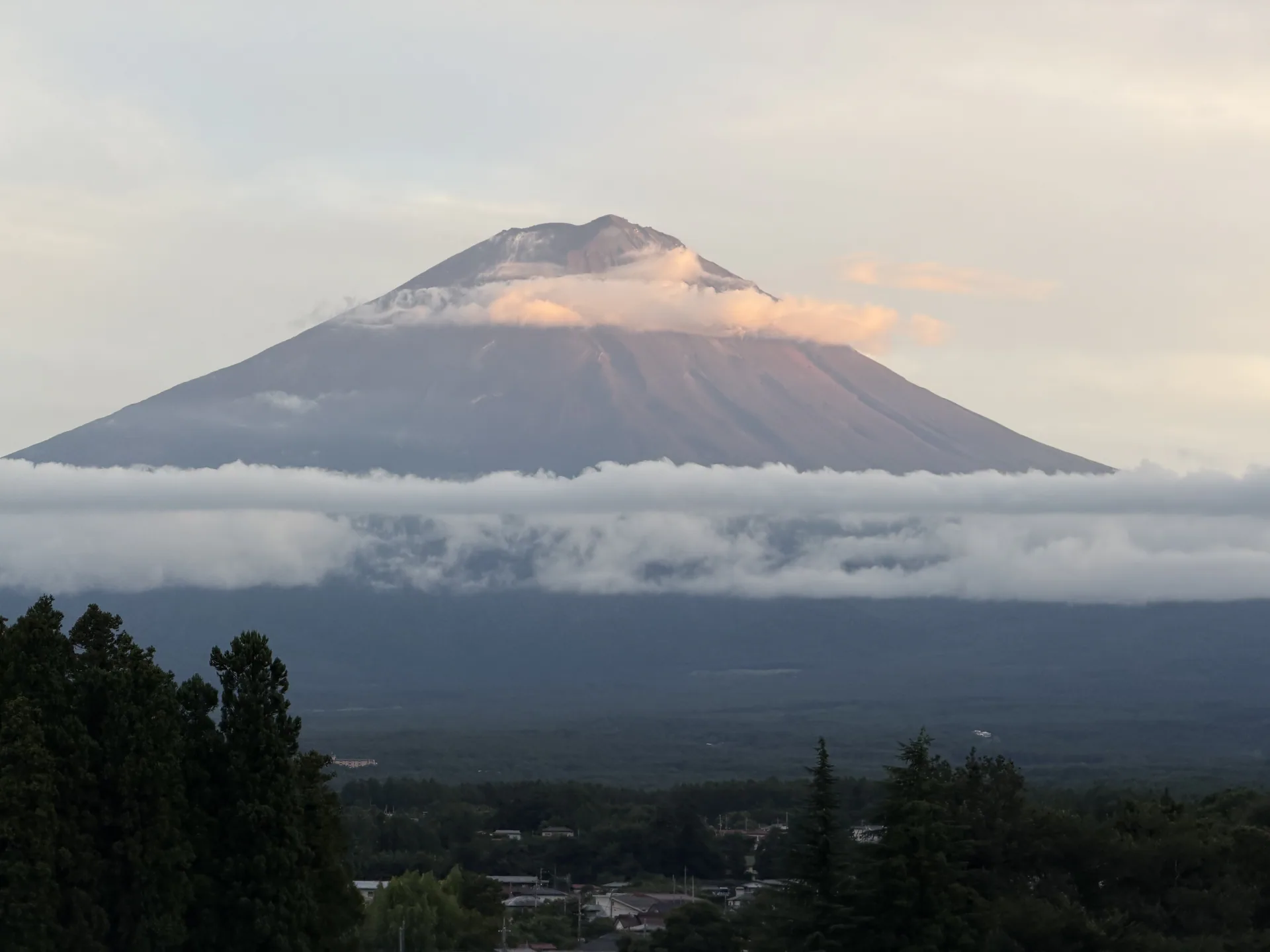
Japan, Yamanashi and Shizuoka prefectures
Mount Fuji and its region
Climbing to the summit, where to see the mountain, where to stay and what to visit around it: Lake Kawaguchi, Fujiyoshida, Hakone and Fujinomiya.
Plan your visit
Fuji has no single town at its foot. The lakes lie to the north, Hakone to the east and Fujinomiya to the south-west.
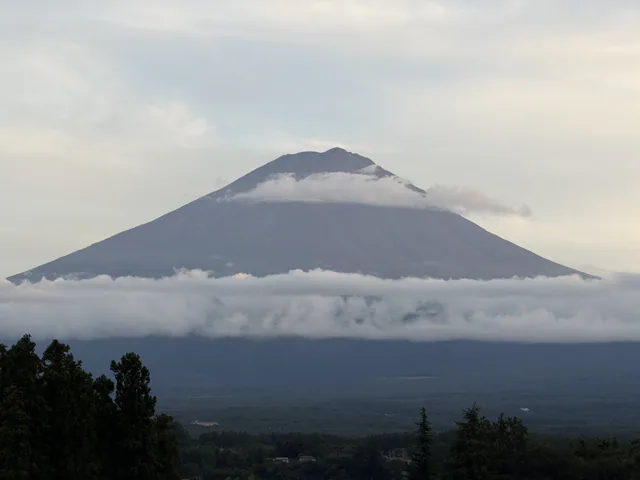 How to visit Mount FujiVisit Mount Fuji in Japan: the lakes, Fujiyoshida, the climb, Hakone or Fujinomiya, how many days to plan and how to get there by train, bus or car.
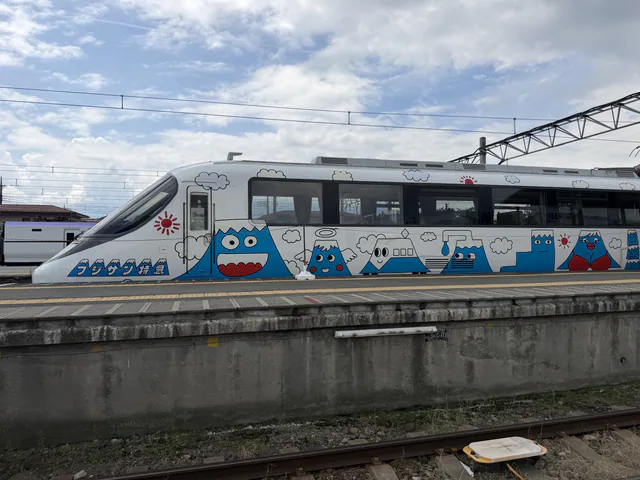 How to get to Mount Fuji from TokyoTokyo to Mount Fuji: the direct train from Shinjuku, the express bus, a rental car (ETC tolls, license), day tours, and getting to Hakone and Fujinomiya.
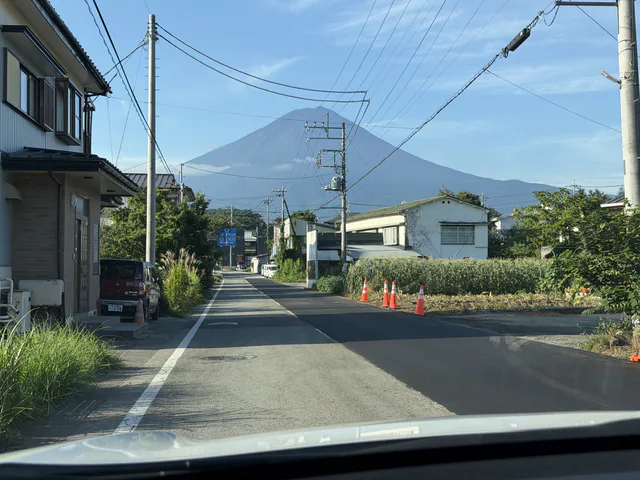 Where to see Mount FujiWhere to see Mount Fuji: Lake Kawaguchi, Chureito Pagoda, Fujiyoshida, the Yoshida Trail and Hakone. What I saw from each viewpoint in summer, and where it hid.
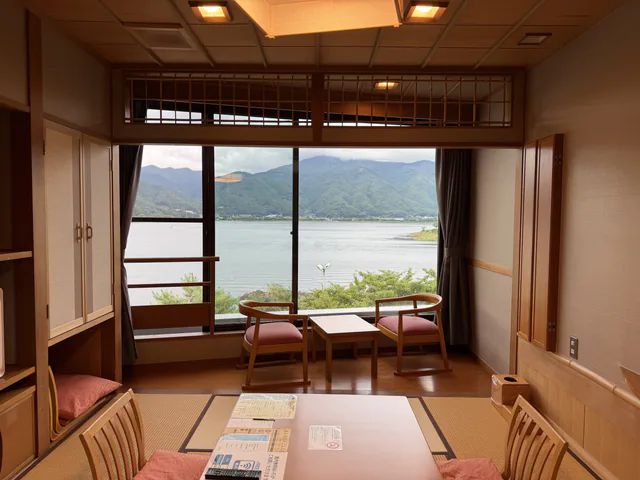 Where to stay near Mount FujiWhere to stay near Mount Fuji: a ryokan on Lake Kawaguchi or in Hakone, a hotel in Fujiyoshida or Fujinomiya, mountain huts. By train, by car or on a budget.
Areas around Fuji
An overview map of the main towns and areas around Mount Fuji.
Hover over or tap an area: a card sums up what to do there, with a link to its page.
Where to go around Fuji?
Mount Fuji is visited from several areas, and they do not all take the same time.
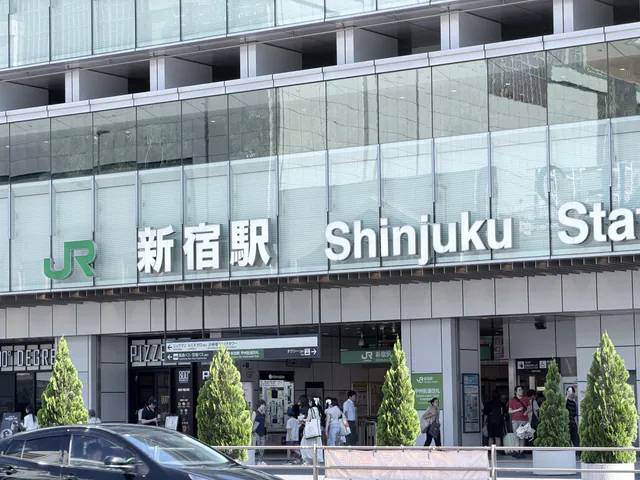 One day from TokyoLake Kawaguchi and the Chureito Pagoda. In summer the mountain often hides in the clouds: a night there gives you a better chance to see it.
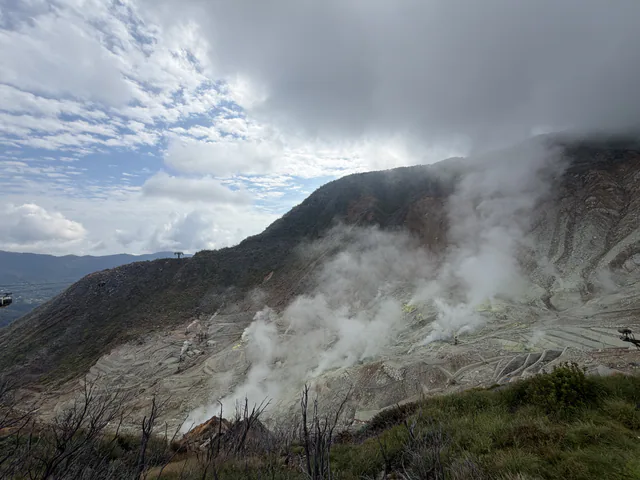 Two or three daysLake Kawaguchi and Fujiyoshida for the mountain, then Hakone. In summer, add a day to climb Fuji.
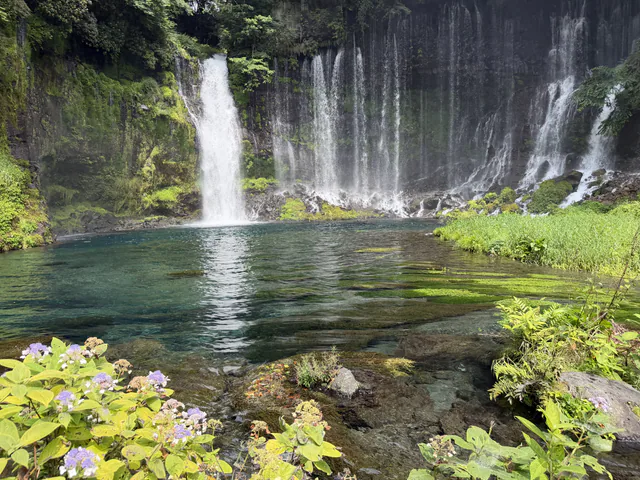 More time, or a carFujinomiya, on the other side of the mountain, for the Sengen shrine and the Shiraito Falls.
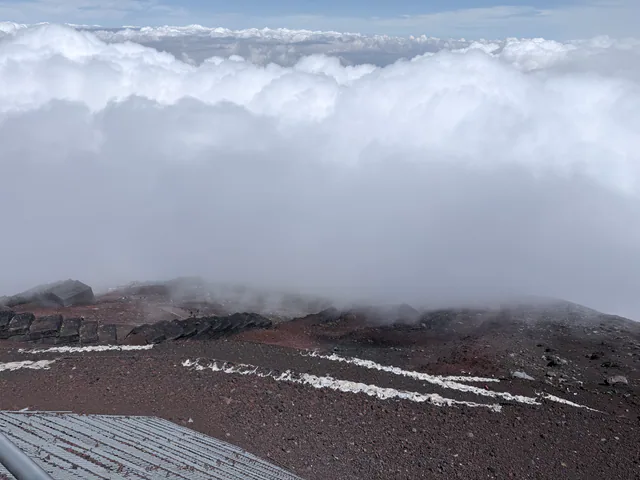 To climb FujiOne more day, in summer only, when the trails are open.
Each area has its own page: what to see, where to eat and how to get around.
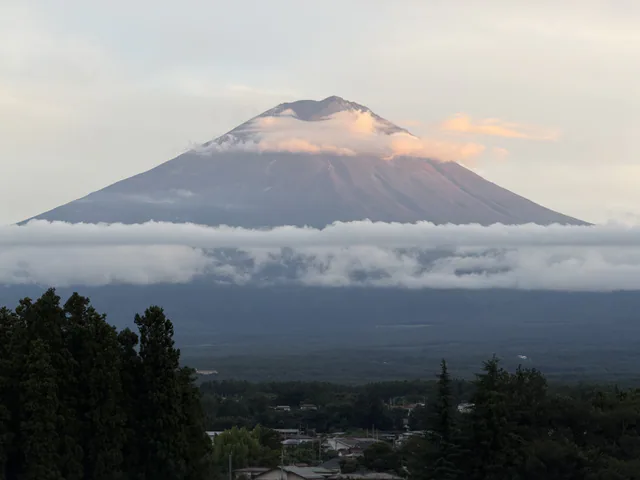 KawaguchikoLake Kawaguchi and the town of Kawaguchiko: the Mount Tenjo ropeway, the north shore, Oishi Park, a lakeside ryokan, places to eat and how to get there by train or bus.
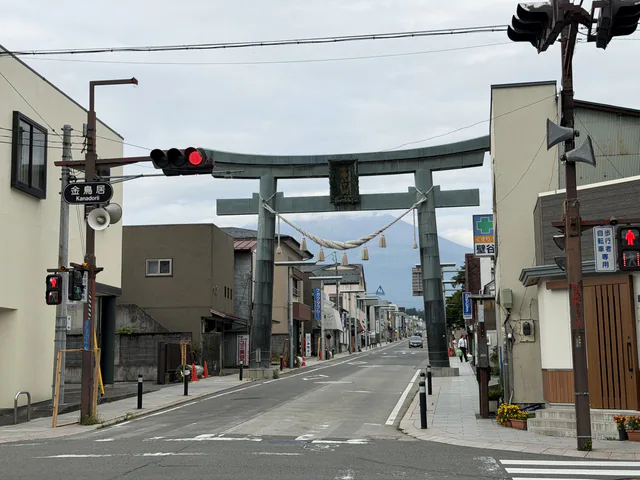 FujiyoshidaFujiyoshida at the foot of Mount Fuji: the big bronze torii, Honcho Street and the Gekkoji arcade, Chureito Pagoda, a hotel, a yakitori spot and how to get there.
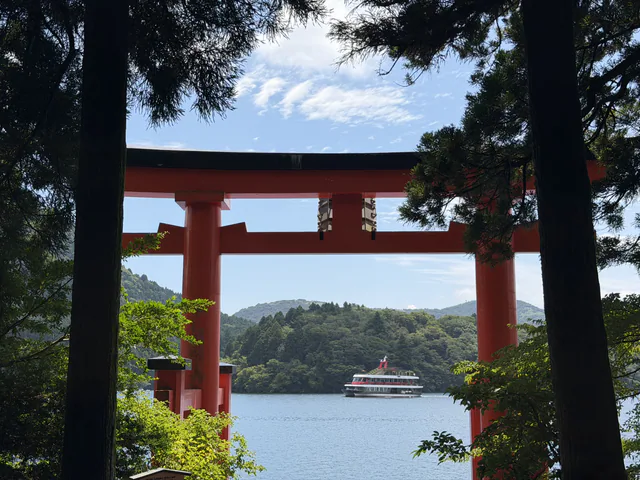 HakoneHakone area by area: Gora, Owakudani, Lake Ashi, Tōnosawa and the museums. Train, cable car, ropeway and boat fares, a one-day plan, and where to stay in a ryokan.
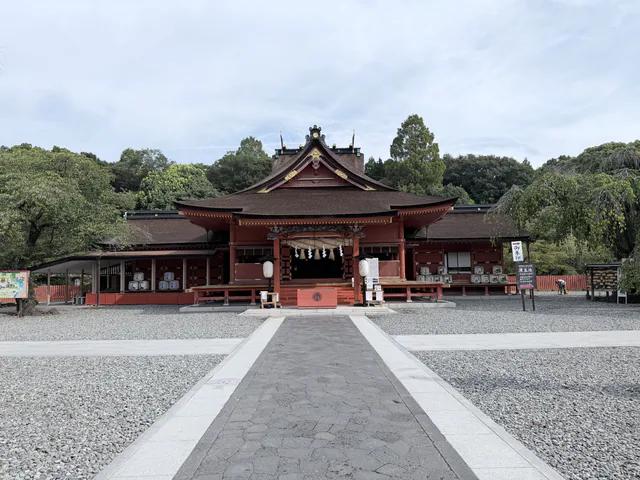 FujinomiyaFujinomiya, southwest of Mount Fuji: Fujisan Hongu Sengen Taisha and its spring, the World Heritage Centre, Shiraito Falls, a hotel by the station and places to eat.
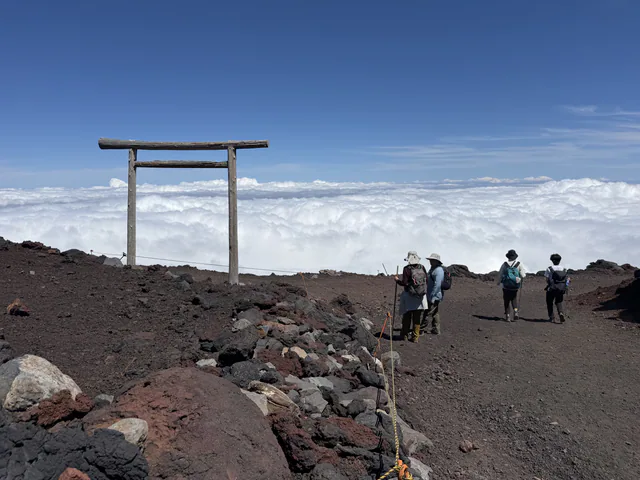
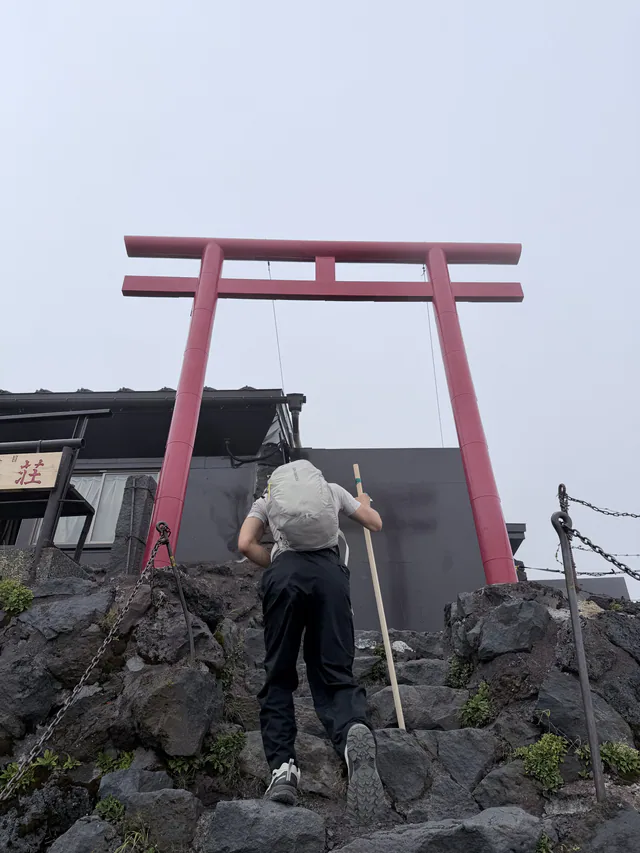
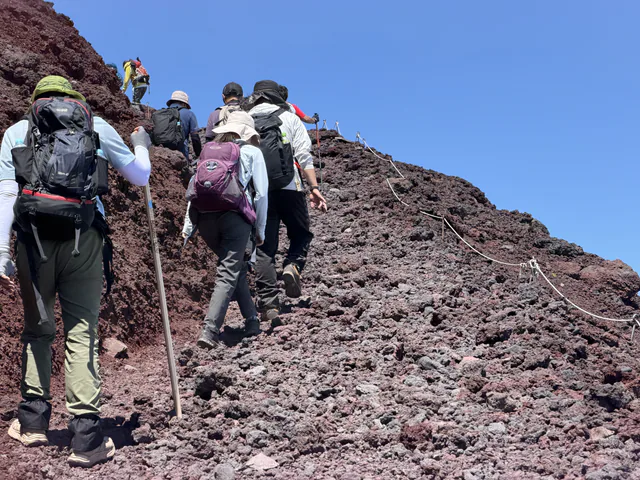
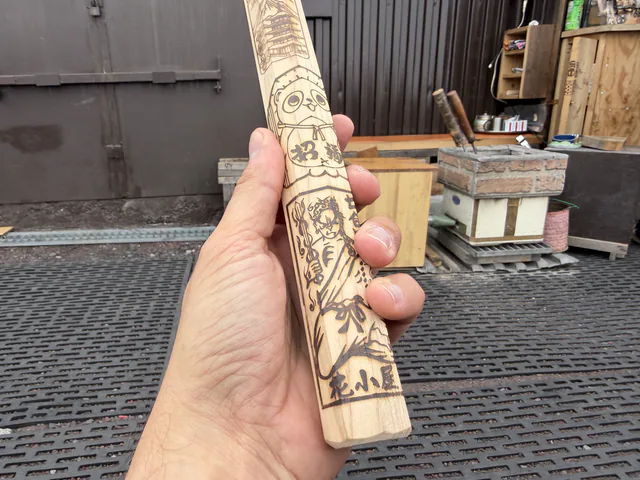
Climbing Mount Fuji
The trails are only open in summer. Four routes lead to the summit from their 5th stations, each with its own access rules.
These pages cover the trails, the access fee, the required gear and what awaits at the top.
- Climbing Mount FujiClimbing Mount Fuji: the four trails compared, the climbing season, the permit and the different rules in Yamanashi and Shizuoka, 5th Station access and mountain huts.
- The Yoshida Trail up Mount FujiThe Yoshida Trail in one day: shuttle and parking for the Fuji Subaru Line 5th Station, the gear check at the gate, real times from a GPS watch and mistakes to avoid.
- Mount Fuji climbing gearMount Fuji climbing gear: the official list of essentials and extras, the three items checked at the Yoshida Trail gate, where to buy gear locally and why you need cash.
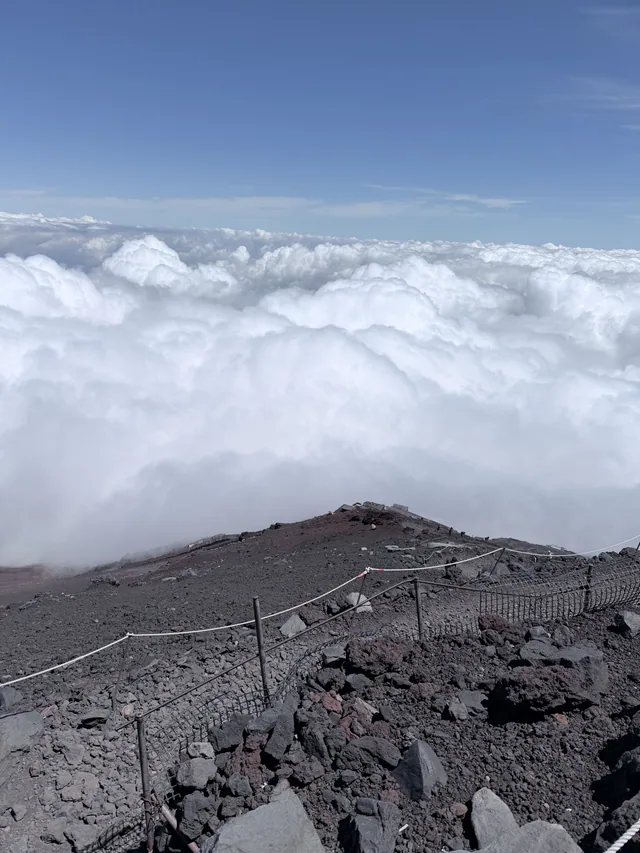
- The summit of Mount FujiMount Fuji's summit: its exact height, Kengamine, the clockwise crater walk stop by stop, the summit post office and the dangers up top.
When to go
What you come to see depends on the season, and you can only climb in summer.
- Spring. Cherry trees bloom around Chureito Pagoda, but it’s also the busiest season. At peak bloom, Fujiyoshida counted over 10,000 visitors a day, with a 1 to 3 hour wait for the observation deck.
- Summer. It’s the only season when you can climb Mount Fuji: the Yoshida Trail is open July 1 to September 10 (2026 season). It’s also when the mountain is hardest to see, because clouds build up with the heat.
- Fall. The kochia bushes at Oishi Park turn red mid to late October, and fall colors follow until early December.
- Winter. The summit is covered in snow and the mountain is easiest to see. In 2024, the city of Fuji saw all of it on 19 mornings in December, compared with 3 in August. The climbing trails are closed.
Mistakes to avoid
- Counting on the Japan Rail Pass to get to Lake Kawaguchi. It doesn’t cover the Fujikyu line, the last part of the trip from Tokyo.
- Driving up to the 5th Station in summer. The road to the Yoshida Trail is closed to private cars during the climbing season.
- Coming in the afternoon in summer to see Mount Fuji. As the ground warms up, air rises, cools and forms clouds that often cover the summit by early afternoon. They clear after sunset, according to a Japan Weather Association forecaster who explains Mount Fuji’s weather (in Japanese). Over the year, the city of Fuji saw the whole mountain on 136 mornings at 8 a.m., compared with 96 times at noon.